
 iStockphoto/KatarzynaBialasiewicz
The path out of Europe’s care crisis
ed* No. 02/2025 – Chapter 5
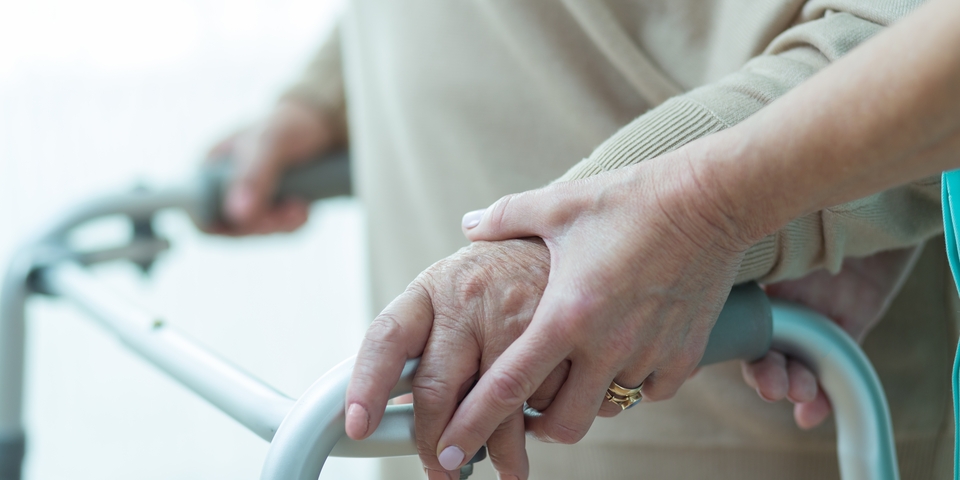
Whether in skilled trades, education, healthcare, or many other sectors, the shortage of workers is becoming increasingly visible. Nowhere, however, is the crisis more evident than in the healthcare sector, where the shortage has direct consequences for the security of care provision. During the COVID-19 pandemic, healthcare workers were thrust into the public eye through balcony applause and political recognition. Gradually, awareness of the work carried out every day by an ever-shrinking number of healthcare professionals faded. Yet the structural challenges have remained. The shortage of skilled workers in health and care professions threatens the security of care provision in Europe.
According to current OECD figures, the EU is short more than 1.2 million healthcare professionals, and the trend is rising. One third of physicians and one quarter of nurses are older than 55 and will soon reach retirement age. At the same time, demand is increasing due to ageing populations, rising care intensity, and more complex treatment requirements. The European single market further exacerbates the situation, since many professionals from eastern and southern member states migrate westward. In addition, informal care is becoming increasingly important. Caregiving family members provide a significant share of care, often with substantial personal effort. The shortage of skilled workers results in more unpaid care work, with far-reaching consequences for employment, gender equality, and the quality of care. They need stronger support and relief measures.
Recognition of healthcare professions must go beyond symbolic gestures. This is emphasised not only by an OECD discussion paper.1 The European Commission is also attempting to address the problem. Through the European Care Strategy, programmes like EU4Health, and targeted mobility support, it is trying to counteract the shortage. Interest groups, however, consider this commitment insufficient. They are calling for a coordinated European “Health Workforce Strategy” that links training, working conditions, digital support, and cross-border workforce planning. The goal should be to pool synergies and learn from one another. The European Parliament shares this view and is currently working on an own-initiative report on the shortage of skilled workers in the healthcare sector.2
The reductions achieved in recent decades in work-related injuries and illnesses are giving way to trends that are flat-lining or even increasing in the case of musculoskeletal disorders and mental health problems. Europe’s rapidly ageing population and the increasing effects of climate change pose urgent challenges for the protection of workers’ health and safety. At the same time, greater automation and the broad uptake of AI presents both an opportunity to prevent occupational risks as well as new risks that need to be managed.
A look beyond national borders shows that countries like Slovenia and Finland have already taken measures to get their national care crises under control. A central element of their strategy is the targeted use of EU recovery funds for digitalisation in healthcare. At the same time, recognition of professional qualifications from abroad remains a major challenge. Within the EU, there are significant shifts of healthcare professionals between member states, but for professionals from non-EU countries, bureaucratic hurdles persist. Programmes like the EU Talent Pool aim to help solve this and make access easier.
Projects focused on retaining nursing and healthcare staff are also gaining importance. Attractive workplaces should not be the exception, but the basic condition for quality of care. Those who create good working conditions ensure longer retention, lower absenteeism, and stronger professional identification, and in doing so contribute to protecting health. A European healthcare system fit for the future needs not only more staff, but better conditions for everyone who is already working in it.